
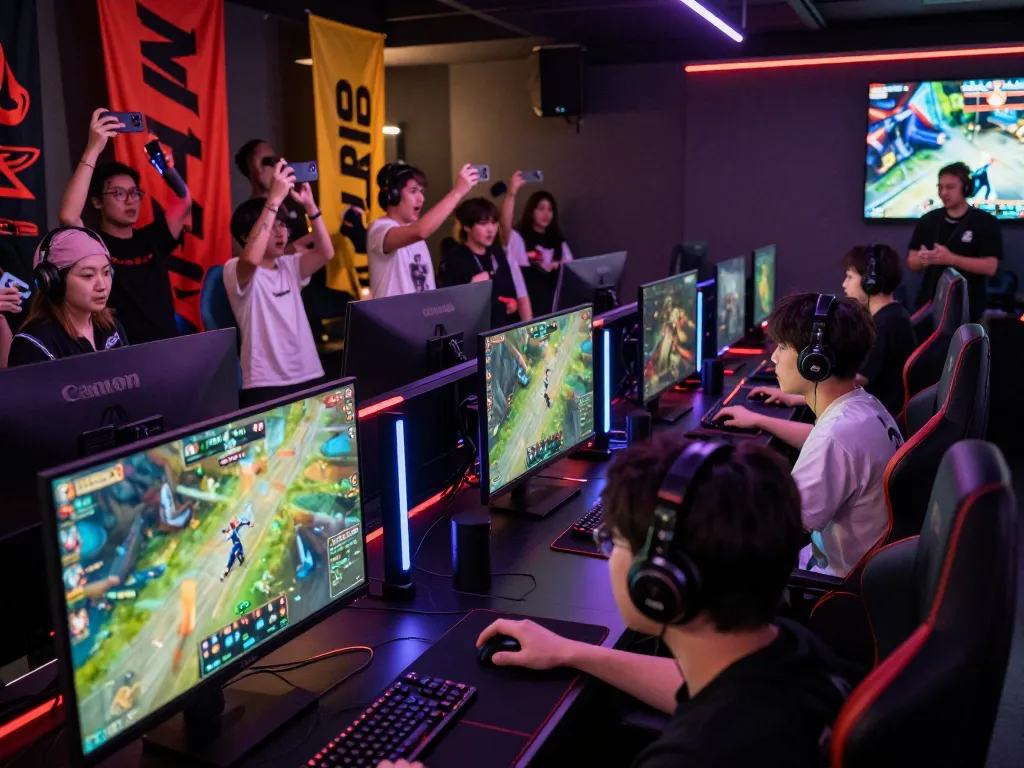
Understanding the Esports Landscape in 2026
As we step into 2026, the esports industry continues to evolve, showcasing unprecedented growth and expanding its reach across various demographics. The combination of talented players, innovative technology, and dedicated fan bases has converted esports into a multibillion-dollar industry. For those looking to understand the current landscape, it’s essential to recognize the dynamic trends, key players, and the shifting expectations of audiences. When exploring options, https://bomwin.jp.net/ provides comprehensive insights into the latest developments in this exciting field.
Current Trends Shaping Esports Communities
The esports community is rapidly changing, with several key trends dominating the scene. One major trend is the increase in grassroots movements that facilitate local and online competitions. These movements encourage amateur players to participate, creating a more inclusive environment that fosters talent at all levels. The rise of mobile esports is another significant trend, as mobile gaming continues to gain traction globally, particularly in regions like Southeast Asia, where accessibility is paramount.
- Diversity and Inclusion: There is a growing focus on promoting diversity and inclusion within esports, with organizations creating initiatives to support underrepresented communities.
- Women in Esports: The participation of women in competitive gaming is surging, leading to the establishment of female-only tournaments aimed at empowering women in the gaming world.
- Health and Wellness: Teams are increasingly prioritizing the physical and mental well-being of players, incorporating structured training regimens and psychological support.
Key Players and Their Impact on the Market
In 2026, several key esports organizations and players are driving the market’s growth. Prominent teams like Team Liquid, Cloud9, and G2 Esports have garnered massive followings and substantial sponsorship deals. These organizations not only bring talent together but also represent larger brands and influence how companies approach marketing in the esports realm. Additionally, individual players have risen to stardom, becoming household names and leveraging their influence through social media and personal branding.
Moreover, traditional sports entities are entering the esports landscape, forming partnerships with established teams or creating their own franchises. This crossover has significantly increased the visibility of esports, attracting a wider audience and encouraging mainstream acceptance.
Future Predictions for Growth in Esports
The future of esports looks promising, with several predictions indicating continued growth. Experts anticipate that the global esports audience will surpass 600 million by the end of 2026, driven by increased accessibility through streaming platforms and mobile gameplay. Furthermore, as more brands recognize the marketing potential within esports, sponsorship revenue is expected to rise significantly, potentially reaching $2 billion annually.
Innovations in virtual reality (VR) and augmented reality (AR) are also expected to transform the viewing experience, creating immersive environments where fans can watch live events as if they were physically present. This technology promises to enhance engagement and interaction, paving the way for new forms of entertainment that blend gaming and reality.
The Role of Technology in Esports
Technology plays a pivotal role in shaping the esports ecosystem. From streaming platforms to advancements in gaming hardware, the technological landscape is constantly evolving, enhancing player performance and viewer engagement.
How Streaming Platforms are Evolving
Streaming platforms such as Twitch, YouTube Gaming, and Facebook Gaming have transformed how audiences consume esports content. In 2026, the competitive landscape for streaming services is more competitive than ever, with platforms implementing unique features for streamers and viewers alike. Enhanced interactivity, such as real-time polls and audience participation during events, has become commonplace, leading to a more engaging viewing experience. Many platforms are also expanding into esports broadcasts, providing exclusive coverage of major tournaments, thus capturing dedicated audiences.
Advancements in Gaming Hardware and Software
As esports competitions become more demanding, advancements in gaming hardware and software are essential to meet the needs of professional players. High-performance gaming rigs and peripherals are now equipped with cutting-edge technologies that allow for low-latency gameplay and unparalleled graphics. Software updates and patches are continuously being released to optimize gameplay and enhance security, ensuring a fair playing field in competitive settings.
Moreover, cloud gaming services are gaining traction, enabling players to compete at a high level without needing expensive equipment. This democratization of access to competitive gaming is opening doors to a broader pool of talent.
Data Analytics in Competitive Gaming
Data analytics has emerged as a crucial element in esports, providing teams with insights into player performance and strategies. In 2026, advanced analytics tools are enabling coaches and analysts to dissect gameplay in real-time, allowing for strategic decision-making based on data-driven insights. This has led to the development of tailored training programs that focus on individual player weaknesses and enhance overall team performance.
Furthermore, fan engagement metrics are becoming vital for organizations as they seek to understand audience preferences and behavior. Brands are leveraging this data to develop targeted marketing strategies that resonate with their audience.
Building a Successful Esports Team
Creating and managing a successful esports team requires careful planning and execution. From talent acquisition to team culture, various factors contribute to a team’s success in this competitive environment.
Talent Acquisition and Management Best Practices
The first step in building a successful esports team is talent acquisition. Teams need to identify players who not only have exceptional skills but also fit within the team culture. Scouting talent through online competitions and local tournaments can help uncover hidden gems. Additionally, organizations should consider the mental resilience of players, as the competitive nature of esports can be challenging.
Once talent is acquired, effective management practices are necessary to retain and nurture players. This includes providing mentorship, career development opportunities, and mental health support.
Creating a Winning Team Culture
A positive team culture is fundamental to success in esports. Teams should foster an environment of collaboration, communication, and respect. Regular team-building activities can help strengthen relationships among players and staff, creating a sense of belonging and shared purpose. Emphasizing a growth mindset encourages players to learn from their mistakes and continuously improve.
Effective Training Regimens for Players
Training regimens for esports players should not only focus on gaming skills but also on physical condition and mental acuity. Teams are beginning to implement structured training schedules that include practice matches, strategy discussions, and physical fitness routines. It’s essential for players to maintain their physical health, as it directly impacts their performance during competition.
Moreover, integrating mental conditioning, such as mindfulness and focus training, can enhance players’ confidence and reduce stress, leading to better outcomes in high-pressure situations.
Marketing and Sponsorship in Esports
With the rapid growth of the esports industry, marketing and sponsorship strategies are evolving significantly. Understanding how to craft effective partnerships and engage audiences is crucial for long-term success.
Crafting Brand Partnerships that Work
Successful brand partnerships in esports are built on shared values and mutual benefits. Companies looking to sponsor esports teams or events should seek out partnerships that align with their brand identity and target demographics. This involves thorough research and strategic negotiation to ensure that both parties maximize their investment and reach.
Engaging Audiences through Social Media
Social media platforms remain essential tools for engaging with the esports community. Teams and players should develop strong social media strategies that include interactive content, behind-the-scenes glimpses, and responsive communication with fans. Engaging content can help build a loyal fan base and create buzz around upcoming events or team milestones.
Measuring the Impact of Campaigns in Esports
Measuring the effectiveness of marketing campaigns is vital in esports. Organizations should utilize analytics tools to track engagement metrics and ROI on various initiatives. By analyzing campaign performance, teams can adjust their strategies and focus on what resonates most with their audience.
Challenges and Opportunities Ahead
While the esports landscape is ripe with opportunities, several challenges must be addressed. Understanding misconceptions and navigating the legal and regulatory frameworks will determine the industry’s direction.
Common Misconceptions About Esports
Despite its growth, several misconceptions about esports persist. Some view esports as merely a hobby rather than a legitimate career path. Addressing these misconceptions is crucial for attracting talent and investment into the industry. Furthermore, educating the public on the complexity and discipline involved in competitive gaming can foster greater acceptance.
Navigating Legal and Regulatory Frameworks
As esports expands, navigating legal and regulatory frameworks becomes increasingly complex. Issues related to player contracts, sponsorship agreements, and intellectual property rights require careful consideration. Organizations must stay informed to ensure compliance with local laws, particularly in regions with evolving regulations surrounding gaming and gambling.
Emerging Markets and Global Expansion Potential
Emerging markets present significant opportunities for esports growth. Regions such as Africa and South America are beginning to invest in gaming infrastructure, creating a fertile ground for competitive gaming. By focusing on these markets, organizations can tap into new fan bases and talent pools, driving further growth within the industry.
What are the Benefits of Engaging with the Community?
Engaging with the esports community offers numerous benefits for teams and organizations. Building relationships with fans and players fosters loyalty and creates a sense of belonging. Organizations that actively participate in community events and online discussions can better understand their audience’s needs and preferences, ultimately leading to improved products and experiences.