Understanding Ceramic Window Tint
What is Ceramic Window Tint?
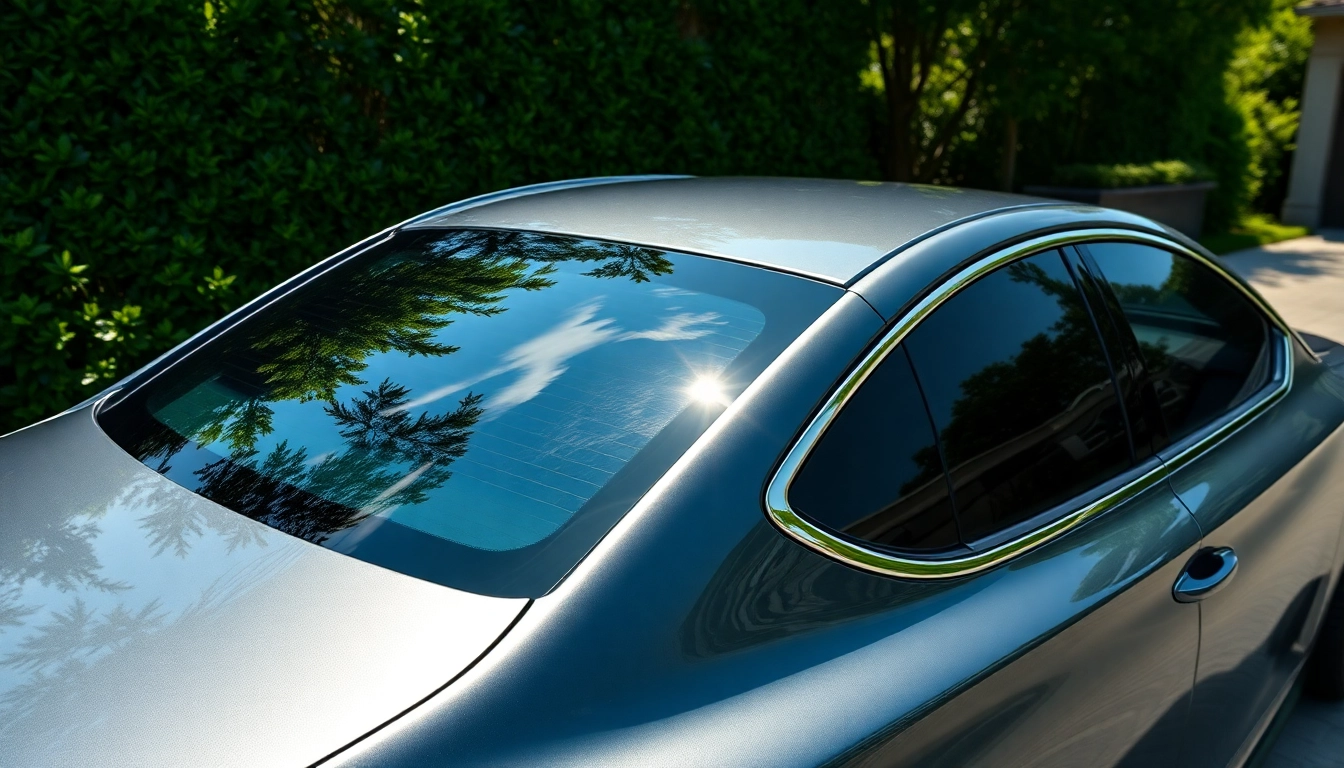
Ceramic window tint is a premium type of window film designed to enhance both aesthetics and functionality. Unlike traditional window tints, which are dyed or metalized, ceramic window tint utilizes advanced ceramic particles that provide superior performance while maintaining clarity. This technology allows for effective heat rejection and UV protection without the distortion or signal interference commonly associated with lesser quality tints. For vehicle owners, investing in ceramic window tint can dramatically increase comfort and protection against environmental elements.
How Does Ceramic Window Tint Work?
Ceramic window tint works by blocking a significant percentage of infrared radiation and ultraviolet (UV) rays from the sun. These ceramic particles absorb and reflect solar heat, preventing it from entering the vehicle. This removes the reliance on dyes or metals, which can fade or interfere with radio signals. As a result, ceramic tints not only minimize heat buildup but also protect the interior of the car from sun damage, and help keep passengers comfortable during hot weather.
Advantages of Using Ceramic Window Tint
The primary advantages of ceramic window tint include:
- Enhanced UV Protection: Provides up to 99% UV ray rejection, ensuring protection from skin damage and interior fading.
- Heat Rejection: Reflects heat away from the vehicle, which can help reduce air conditioning usage and improve fuel efficiency.
- Clarity and Visibility: Offers crystal clear visibility without the excessive glare often caused by darker films.
- Durability: Ceramic films are generally more resistant to scratches and fading compared to dyed or metalized films.
- Increased Privacy: Maintains a sleek, uniform look while providing added privacy for passengers and belongings.
Benefits of Ceramic Window Tint for Vehicles
UV Protection and Heat Rejection
One of the standout benefits of ceramic window tint is its unmatched capacity for UV protection. Harmful UV rays are not only damaging to skin but can also degrade the interior surfaces of a vehicle over time. With ceramic window tint, drivers can enjoy the outdoors without the risk of sunburn and can ensure their vehicle’s upholstery stays vibrant and intact for longer. Additionally, the heat rejection capabilities mean that temperatures inside the car can remain significantly cooler than without tinting, contributing to a more pleasant driving experience.
Improved Privacy and Aesthetics
Ceramic window tint can enhance the appearance of any vehicle. With a subtle, sophisticated tint that does not compromise visibility, it can accentuate the vehicle’s design. Additionally, the added privacy offered by tinted windows can deter prying eyes, making it a deterrent against theft while also allowing passengers a sense of seclusion during travel.
Enhanced Durability and Longevity
Unlike traditional window tints, ceramic window tint is engineered for longevity. It does not fade, bubble, or peel over time, maintaining its aesthetic appeal and function for years with proper care. This longevity can translate into cost savings, as owners won’t have to replace or repair the tint frequently, making it a worthwhile investment in the vehicle’s overall appearance and functionality.
Installation Process of Ceramic Window Tint
Choosing the Right Professional Installer
Finding a qualified professional for ceramic window tint installation is crucial to achieving desired results. Look for an installer with extensive experience and a solid reputation. Research qualifications, reviews, and past projects to ensure that you’re choosing someone who understands the specifics of ceramic window film. An expert will not only ensure a clean and precise installation but will also be knowledgeable about local tinting laws and regulations.
The Installation Steps Explained
The installation of ceramic window tint typically involves several well-defined steps:
- Preparation: The installer prepares the vehicle by washing the windows and removing any residues.
- Measuring and Cutting: The tint is precisely measured and cut to fit each window.
- Application: The tint is applied using a specialized solution that allows for adjustment before it adheres permanently.
- Smoothing Out Bubbles: Any bubbles are carefully smoothed out to prevent imperfections.
- Final Inspection: A thorough inspection ensures that the installation meets quality standards.
Post-Installation Care and Maintenance
After installation, certain care practices will help ensure the longevity of ceramic window tint. It’s generally recommended to avoid rolling down the windows for at least 48 hours to allow the tint to bond properly. Cleaning should include soft, non-abrasive materials; vinegar and safe window cleaners are ideal. Regular maintenance can prevent scratches and bubbling, preserving the tint’s clarity and effectiveness.
Comparing Ceramic Window Tint to Other Types
Differences Between Ceramic and Dyed Window Tints
Ceramic and dyed window tints significantly differ in their composition and performance. Dyed tints primarily block light using color but do not provide UV or heat protection effectively. In contrast, ceramic window tint uses advanced technology to reflect heat and absorb UV rays while enhancing clarity. This makes ceramic film far superior in terms of comfort and safety.
Cost Analysis of Ceramic vs. Other Tints
Ceramic window tints typically have a higher upfront cost than traditional dyed or metalized options. However, considering their longevity, durability, and energy efficiency, the investment pays off over time. Factors influencing cost include material quality, installation expertise, and vehicle type. Ultimately, the benefits may outweigh the initial expense, especially for long-term vehicle owners.
Performance Metrics: Why Choose Ceramic?
The performance metrics of ceramic window tint include high UV blockage rates (up to 99%), significant infrared heat rejection (over 50%), and superior clarity compared to conventional window films. Additionally, the chip and scratch resistance ensures that the tint retains its appearance over time. These metrics make ceramic window tint an optimal choice for those who prioritize aesthetics and functionality in their vehicle’s window treatment.
Frequently Asked Questions about Ceramic Window Tint
How long does ceramic window tint last?
Ceramic window tint can last up to 15 years or more, depending on installation quality and maintenance practices.
Can ceramic window tint block infrared rays?
Yes, ceramic window tint is designed to block a significant amount of infrared radiation, enhancing heat rejection effectively.
Does ceramic window tint affect visibility at night?
No, ceramic window tint maintains clear visibility at night, making it safe for nighttime driving.
Is ceramic window tint legal in my state?
Regulations on window tint vary by state; check local laws to ensure compliance before installation.
How to care for ceramic window tint effectively?
Avoid abrasive cleaners, use a soft cloth for cleaning, and refrain from rolling down windows for 48 hours post-installation.