Understanding Your Kitchen Style Goals
When it comes to kitchen remodeling, the aesthetic you choose plays a vital role in creating a space that reflects your personality and meets your functional needs. Understanding your kitchen style goals is essential to ensuring that your remodel aligns with current trends while also incorporating your unique preferences. In this guide, we will explore how to identify your preferred design aesthetic, analyze current trends in kitchen style, and set realistic goals that will pave the way for a successful renovation.
Identifying Your Preferred Design Aesthetic
The first step in achieving your desired kitchen style is to identify your aesthetic preferences. Are you drawn to modern, minimalist designs with sleek lines, or do you prefer a more traditional look with ornate details? Some popular design aesthetics include:
- Modern: Characterized by clean lines, minimal clutter, and open spaces.
- Farmhouse: A mix of comfort and rustic charm, featuring wood accents and vintage elements.
- Industrial: A raw aesthetic that incorporates materials like metal, wood, and concrete.
- Transitional: A blend of traditional and modern elements, offering flexibility in style.
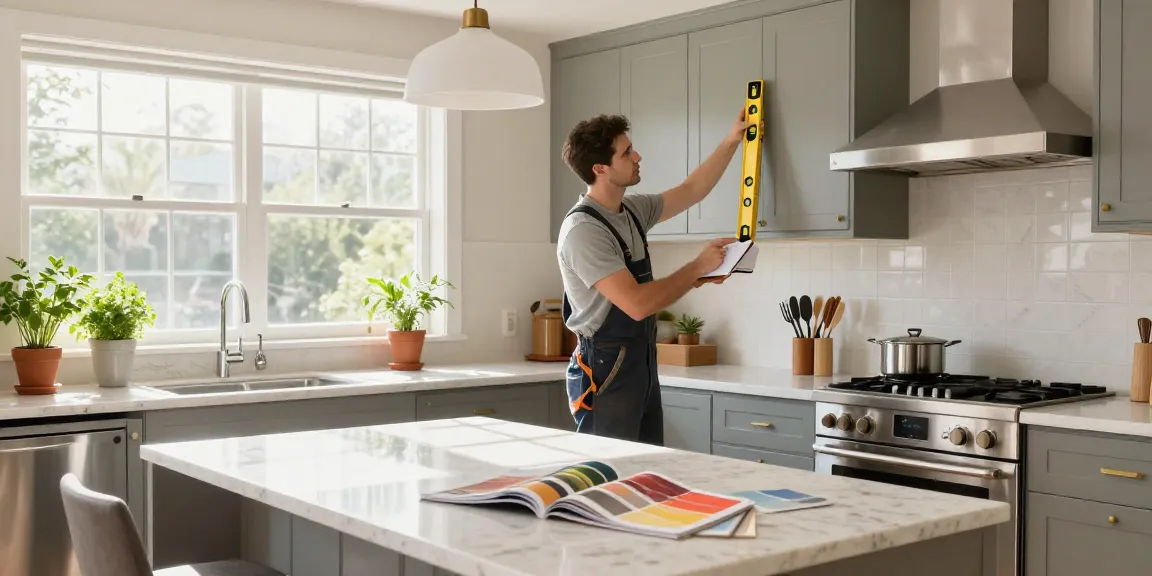
Consider creating a mood board with images and materials that inspire you. This visual representation can help clarify your preferences and serve as a reference throughout your remodel.
Analyzing Current Trends in Kitchen Style
Staying informed about the latest kitchen design trends can help you make choices that are modern yet timeless. Some trends to consider for 2026 include:
- Bold Colors: Vibrant hues and dark cabinetry are gaining popularity, allowing kitchens to make a statement.
- Smart Technology: Integrating technology, such as smart appliances and lighting, enhances functionality and convenience.
- Eco-Friendly Materials: Sustainability is becoming crucial, with many homeowners opting for recycled or sustainably sourced materials.
- Open Shelving: This trend continues to thrive, providing a way to display decorative dishes and keep essentials easily accessible.
Researching these trends not only helps keep your kitchen stylish but also allows you to select features that are in demand and may add value to your home.
Setting Realistic Goals for Your Remodeling
Before you embark on your remodeling journey, it’s important to set realistic goals. Consider factors such as budget, time frame, and desired features. Here are some practical steps:
- Budgeting: Determine how much you can afford to spend. Factor in materials, labor, and unexpected costs.
- Timeline: Set a timeline for your remodel, accounting for each stage of the process, from design to completion.
- Essential Features: Prioritize key features that align with your lifestyle, such as additional storage, upgraded appliances, or enhanced lighting.
Having clear goals will help guide your decisions and keep your project on track.
Common Kitchen Remodeling Challenges and Solutions
While remodeling your kitchen can be an exciting venture, it also comes with its share of challenges. Understanding potential obstacles and how to overcome them can make the process smoother.
Budget Constraints: Finding Cost-effective Style Solutions
Budget constraints are one of the most common hurdles faced during kitchen remodeling. To navigate this challenge:
- Research: Investigate suppliers, compare prices, and look for sales or discounts to make informed purchasing decisions.
- DIY Opportunities: Consider handling smaller projects yourself, such as painting cabinets or installing a backsplash, to cut costs.
- Prioritize: Focus on high-impact areas, like countertops and flooring, which can dramatically alter the kitchen’s appearance without needing a complete overhaul.
By being strategic with your budget, you can achieve a stylish kitchen without overspending.
Choosing the Right Materials for Lasting Style
The materials you select for your kitchen will greatly impact both its aesthetic and functionality. Consider these tips:
- Durability: Opt for materials that can withstand daily wear and tear, especially for countertops and flooring.
- Visual Appeal: Select finishes that complement your overall design style, such as matte or glossy surfaces.
- Maintenance: Choose materials that are easy to clean and maintain, ensuring that your kitchen remains stylish over time.
Consulting with a designer can help you choose the best options that fit both your style and practical needs.
Dealing with Space Limitations: Maximizing Style in Small Kitchens
Small kitchens can pose unique challenges, but they also offer opportunities to maximize style:
- Smart Storage: Incorporate built-in cabinetry and vertical storage solutions to make the most of your space.
- Light Colors: Use light color palettes to create an illusion of space and openness.
- Multi-functional Furniture: Consider furniture that serves multiple purposes, such as an island that provides prep space and additional seating.
Creative solutions can ensure your small kitchen reflects your desired style without feeling cramped.
Essential Steps in the Kitchen Remodeling Process
A well-defined remodeling process can facilitate a smoother renovation. Below are essential steps to follow:
Creating a Detailed Remodeling Timeline
Establishing a detailed timeline is crucial for keeping your kitchen remodel on schedule. Include key milestones such as:
- Design Phase: Allocate time for conceptualizing your layout and finalizing the design.
- Procurement: Estimate the time needed for ordering materials and appliances.
- Construction: Schedule time for demolition, installation, and finishing touches.
By mapping out a clear timeline, you can allocate adequate time for each phase and avoid stress.
Consulting with Professionals for Expert Style Advice
Engaging with professionals can provide valuable insight and ensure your kitchen meets your style objectives. Consider hiring:
- Kitchen Designers: They can help you visualize the space and suggest efficient layouts.
- Contractors: Skilled contractors can manage the actual construction, ensuring quality and compliance with regulations.
- Interior Decorators: They can assist in selecting finishes that enhance your kitchen’s overall style.
Professional guidance can save time and prevent costly mistakes, resulting in a beautifully styled kitchen.
Overseeing the Installation Process: Ensuring Style Consistency
As the installation progresses, it’s important to oversee the process to maintain style consistency. Key actions include:
- Regular Check-ins: Schedule frequent site visits to address any concerns immediately.
- Quality Control: Ensure materials and finishes meet your expectations and align with the agreed-upon design.
- Communicate: Maintain open lines of communication with your contractor and suppliers to facilitate a smooth installation.
By taking an active role, you can ensure that your kitchen not only looks stunning but functions effectively as well.
Incorporating Personal Style into Kitchen Design
Your kitchen should reflect your personality and lifestyle. Here are several ways to infuse personal style into your kitchen design:
Choosing Color Palettes that Reflect Your Style
Color sets the mood in any environment, and your kitchen is no exception. When selecting a color palette:
- Consider Your Lifestyle: Lighter colors may feel clean and spacious, while darker shades can create a cozy atmosphere.
- Complement Existing Features: Choose colors that harmonize with adjacent rooms and architectural elements.
- Accent Colors: Use accent colors in accessories, such as dishware and textiles, to inject vibrancy.
Thoughtful color choices help create an inviting space that resonates with your style.
Adding Unique Fixtures for an Individual Touch
Fixtures are often the finishing touch that can elevate your kitchen’s style. Consider:
- Unique Faucets: A distinctive kitchen faucet can serve as a focal point.
- Custom Cabinetry: Personalized cabinetry designs or cabinetry hardware can add flair.
- Decorative Lighting: Stylish light fixtures not only provide illumination but also enhance the aesthetic appeal.
Choosing unique fixtures will differentiate your kitchen and showcase your personal style.
Integrating Technology Seamlessly within Your Kitchen’s Style
Modern kitchens often incorporate technology for added convenience and efficiency. To do this:
- Smart Appliances: Choose appliances that blend seamlessly into your cabinetry for a streamlined look.
- Smart Lighting: Implement smart lighting solutions that can be controlled remotely to enhance ambiance.
- Integrated Sound Systems: Consider incorporating sound systems that complement your design while offering functionality.
By integrating technology tastefully, you maintain your kitchen’s style while adding modern conveniences.
Future Trends in Kitchen Style for 2026 and Beyond
As design continues to evolve, it’s important to be aware of emerging trends to keep your kitchen contemporary and appealing. Here are predictions for 2026:
Sustainable Materials and Eco-Friendly Design Choices
There’s a growing emphasis on sustainability in kitchen remodeling. Consider the following:
- Recycled Materials: Look for countertops and cabinets made from recycled or reclaimed materials.
- Energy-Efficient Appliances: Select appliances that consume less energy, reducing your carbon footprint.
- Water-Saving Fixtures: Incorporate faucets and appliances designed to conserve water.
Implementing eco-friendly choices not only contributes positively to the environment but can also increase the appeal of your home.
The Rise of Smart Kitchens: Style Meets Functionality
Smart kitchens are becoming increasingly popular as technology advances. Features to consider include:
- Voice-Activated Devices: Appliances that can be controlled via voice commands add a layer of convenience.
- Smart Refrigerators: These can create shopping lists, track expiration dates, and even suggest recipes.
- Automated Lighting: Lighting systems that adjust based on time of day or user preferences enhance both functionality and ambiance.
By adopting smart technology, you enhance the usability and appeal of your kitchen.
Embracing Multi-Functional Spaces in Kitchen Design
As homes evolve, kitchens are increasingly becoming multi-functional spaces. Embrace this trend by:
- Creating Zones: Designate areas for cooking, dining, and socializing to maximize usability.
- Incorporating Flexible Furniture: Use moveable islands or benches that can serve multiple purposes.
- Open Floor Plans: Consider removing walls to integrate your kitchen with adjacent living areas, creating a spacious feel.
This trend emphasizes versatility, allowing your kitchen to serve a variety of functions beyond just cooking.
What are the most common mistakes in kitchen remodeling?
Common mistakes in kitchen remodeling include not planning adequately, overspending on unnecessary features, and failing to consider functionality alongside aesthetics. It’s vital to balance style with practical usability to create a kitchen that meets your family’s needs.
How can I make my kitchen more stylish on a budget?
To enhance your kitchen’s style on a budget, focus on cosmetic changes such as painting cabinets, updating hardware, and investing in stylish lighting. Small upgrades can have a significant impact without a complete overhaul.
What are the latest kitchen design trends for 2026?
Trending in 2026 are bold colors, sustainable materials, smart technology integration, and multi-functional spaces. Staying informed can help ensure your kitchen remains trendy and appealing.
How important is lighting in kitchen style?
Lighting is essential in kitchen design, influencing both functionality and ambiance. A combination of task, ambient, and accent lighting can enhance the style while ensuring the space is practical for cooking and socializing.
What should I prioritize when planning a kitchen remodel?
Prioritize layout, functionality, and key features such as storage and appliances. Establishing these foundational elements will support your styling choices and create a space that is both beautiful and efficient.