
Understanding Sports Broadcasting
The Definition of Sports Broadcasting
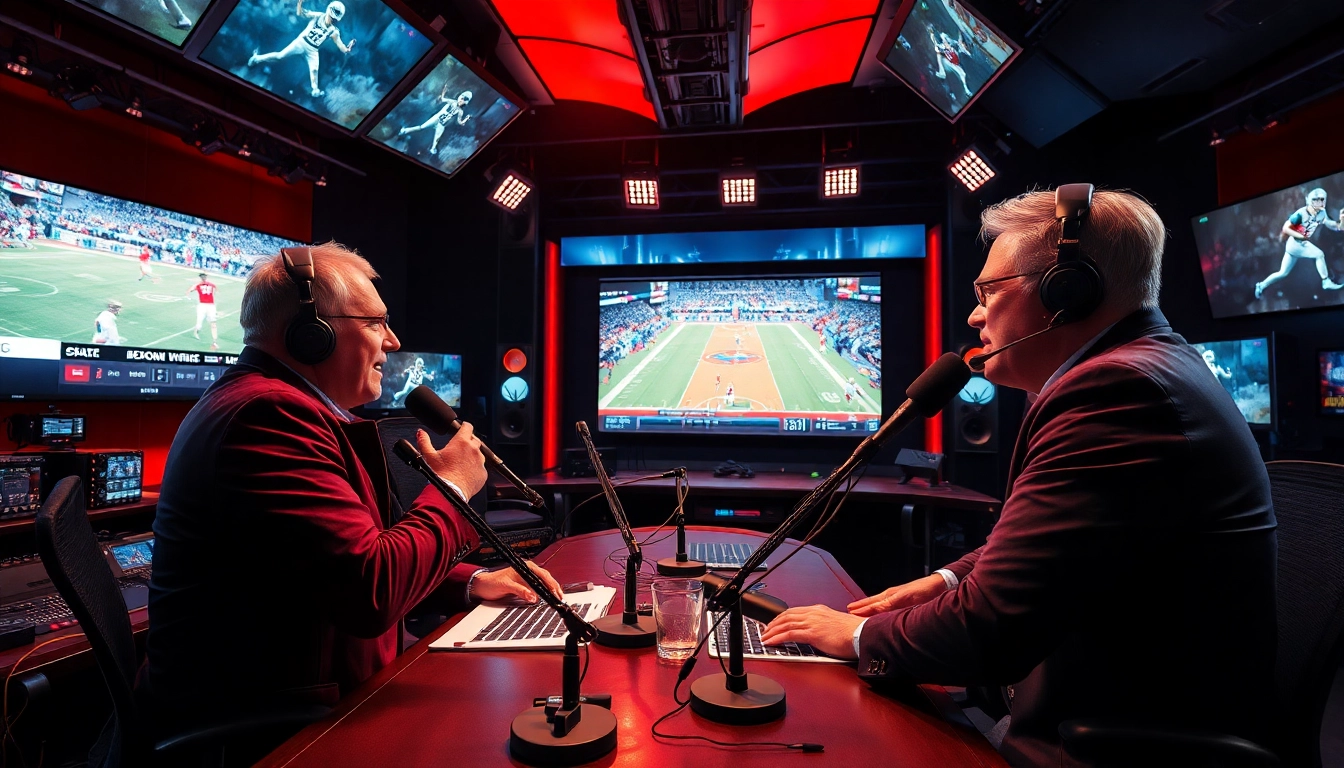
Sports broadcasting refers to the transmission of live athletic events, including commentary, analysis, and highlights, via various media platforms such as television, radio, and online services. This type of broadcasting not only serves to entertain but also aims to engage sports enthusiasts by delivering real-time updates and insights into their favorite sports and teams. A critical element of successful Sports Broadcasting is the ability to create an immersive experience for viewers, making them feel part of the action even if they are miles away.
History and Evolution of Sports Broadcasting
The genesis of sports broadcasting can be traced back to the early 20th century, with radio broadcasts of baseball games marking the initial foray into bringing sports to the masses. As technology progressed, the introduction of television in the 1950s revolutionized how audiences consumed sports, making it increasingly accessible. Major events like the Super Bowl and the World Cup became cultural phenomena, attracting millions of viewers worldwide. As the internet evolved, online streaming became the norm, allowing for on-demand access to sports content, further enhancing audience engagement and interaction.
The Role of Technology in Sports Broadcasting
Technology has fundamentally transformed sports broadcasting, enhancing the viewer experience through richer visuals and more detailed analytics. High-definition broadcasting, virtual reality, and 4K streaming are currently setting new standards for visual fidelity. Moreover, technology enables broadcasters to incorporate real-time statistics and graphics, delivering an informative layer that enriches the viewing experience. Social media platforms also play a crucial role by allowing fans to engage with live broadcasts interactively, leading to a more communal viewing experience.
Key Components of Sports Broadcasting
Pre-Game Analysis and Coverage
Pre-game analysis is critical for setting the stage for an event, providing viewers with insights into teams’ strategies, player conditions, and historical context. Broadcasts often feature expert analysts who dissect strengths and weaknesses, offering predictions and key matchups to watch. Engaging interviews with players and coaches help to build excitement and provide insider knowledge that enhances the audience’s understanding of the game.
Live Commentary and Presentation Styles
Live commentary is the heart of sports broadcasting, requiring announcers to convey excitement while providing information. The delivery style varies significantly between different sports and regions; some prefer an energetic and lively approach, while others may lean towards more analytical commentary. Effective commentary not only enhances the viewer’s enjoyment but also respects the sport’s history and intricacies, making it vital for broadcasters to adapt their style to the intended audience.
Post-Game Reports and Highlights
Post-game coverage wraps up the event, offering analysis of key moments, performance breakdowns, and interviews with key players. Highlights reels showcase spectacular plays, playing a crucial role in capturing the excitement of the event for later viewing. Statistics and rankings are updated promptly, providing fans with a clear picture of how the event impacts ongoing competitions. This component is vital for maintaining viewer interest and building anticipation for future games.
Effective Strategies for Sports Broadcasting
Utilizing Social Media for Wider Reach
In today’s digital milieu, integrating social media into sports broadcasting strategies is paramount to reach a broader audience. Platforms like Twitter, Instagram, and TikTok allow broadcasters to share live updates, engage fans in real time, and create shareable content that can attract new viewers. By promoting interactive features like polls or live chats, broadcasters can foster a community atmosphere that enhances audience engagement and loyalty.
Engaging with Audience through Interactive Features
Utilizing interactive features allows broadcasters to connect with their audience on a deeper level. Live Q&A sessions, fan polls, and real-time stats enable viewers to feel like part of the action, often prompting them to share their thoughts online. These interactive elements can enhance viewer engagement, ultimately increasing retention rates and viewership for future broadcasts.
Leveraging Data Analytics for Viewer Insights
Data analytics provides invaluable insights into viewer preferences and behaviors, allowing broadcasters to tailor their content effectively. By analyzing viewership patterns, ratings, and engagement metrics, broadcasters can refine their strategies to serve their target demographic better. This practice not only improves content relevance but also enhances promotional efforts, aligning them closely with audience interests.
Challenges Facing Sports Broadcasting Today
Adapting to Viewer’s Changing Preferences
As viewing habits shift, sports broadcasters face the continuous challenge of adapting to viewer preferences. The rise of mobile viewing and on-demand content necessitates a departure from traditional scheduling and programming. Broadcasters must innovate and explore flexible broadcasting schedules, seek partnerships with streaming services, and create compelling content that resonates with younger audiences who prefer quick, engaging media over long-form content.
Legal Issues and Broadcasting Rights
Navigating the legal landscape of broadcast rights remains a substantial challenge in the sports industry. The complexity surrounding licensing agreements, digital rights management, and territorial restrictions complicate matters for broadcasters. Ensuring compliance with these regulations while maximizing content distribution strategies is critical for broadcasters looking to monetize their offerings effectively.
Technological Disruptions in the Industry
Rapid technological advancements continually disrupt established broadcasting paradigms. The emergence of decentralized streaming platforms, artificial intelligence in content curation, and virtual streaming capabilities requires broadcasters to stay ahead of the curve. Continuous investment in technology is crucial to promote innovation and meet the evolving expectations of the audience.
Future Trends in Sports Broadcasting
The Rise of Streaming Platforms
As traditional television viewership declines, streaming platforms are becoming the primary medium for sports broadcasting. This trend is reshaping content distribution strategies, with many networks shifting focus from linear TV to digital-first approaches. Events broadcast exclusively on streaming platforms or offered through subscription models are gaining traction, allowing networks to reach niche audiences effectively while providing flexible viewing options.
Integrating Augmented Reality in Broadcasts
Augmented reality (AR) is poised to revolutionize sports broadcasting by offering immersive viewing experiences. This technology enables broadcasters to overlay digital information onto live footage, providing viewers with interactive graphics, player stats, and live game analysis. AR can enhance storytelling, enabling fans to engage with the game on a deeper level and altering how they consume sports content.
Personalization of Viewer Experience
As competition within sports broadcasting intensifies, the personalization of content is becoming essential. By utilizing data analytics and AI algorithms, broadcasters can curate content that resonates with individual viewers’ interests. Tailoring recommendations based on viewing history and preferences enhances engagement and allows broadcasters to foster a stronger connection with their audience, ultimately driving loyalty.
FAQs
What is Sports Broadcasting?
Sports Broadcasting involves the transmission of live sporting events or commentary through various media channels, including television, radio, and online platforms.
How has technology impacted Sports Broadcasting?
Technology has transformed Sports Broadcasting with live streaming, social media engagement, and advanced graphics enhancing viewer experiences.
What are the common challenges in Sports Broadcasting?
Challenges include adapting to audience demands, dealing with broadcasting rights issues, and staying relevant amidst rapid technological changes.
What strategies can enhance viewer engagement?
Utilizing social media interaction, providing real-time analytics, and creating personalized viewing experiences can significantly boost engagement.
What is the future of Sports Broadcasting?
The future includes trends like increased streaming, the advent of augmented reality, and personalized content feeding based on viewer preferences.